
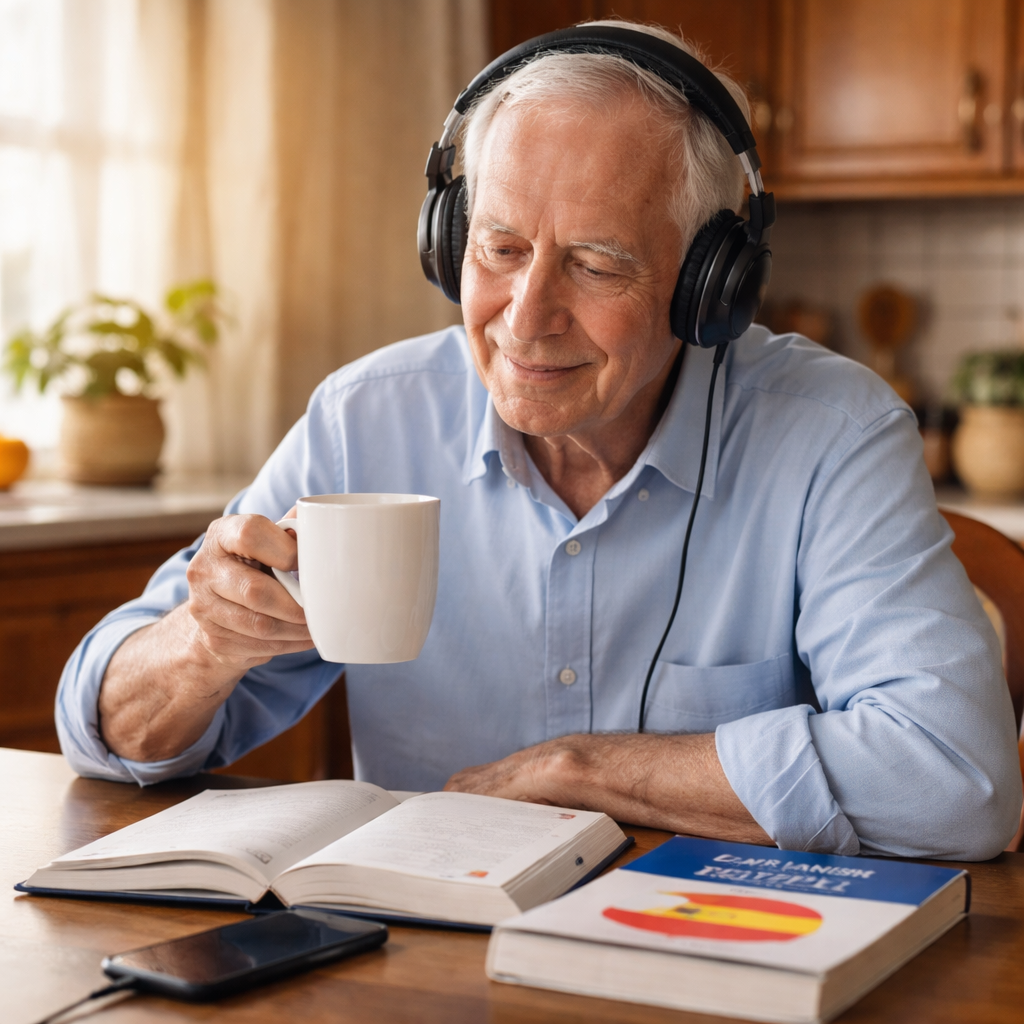
Most Spanish courses ignore seniors. They skip the rating that matters to you. In this guide you’ll see why the best spanish course for adults is not the flash‑heavy app you’ve tried, and how a simple audio program can fit right into a quiet morning. You’ll also get real tips for using the course while you sip coffee, plus a low‑stress plan for retiring in three popular Latin American spots.
We looked at 20 top Spanish courses for adult beginners. None of them list a senior‑friendly rating, even though they target learners 50+. Only four show a starting price , the average is $18.99. Below is the full comparison.
| Name | Teaching Method | Best For | Source |
|---|---|---|---|
| Spanish Slow and Easy (Our Pick) | audio lessons | Best for seniors | spanishslowandeasy.com |
| Babbel | mobile app | Best for mobile learners | babbel.com |
| Instituto Cervantes (AVE Global) | online platform | Best for tutor feedback | babbel.com |
| Rocket Spanish | audio lessons | Best for immersive audio | babbel.com |
| Fluencia | online platform | Best for flexible subscription | babbel.com |
| Duolingo | language‑learning app | Best free option | elayaa.com |
| Mango Languages | online language‑learning platform | Best budget starter | elayaa.com |
| Lengalia | online Spanish learning program | Best premium content | elayaa.com |
| Preply | online tutoring marketplace | Best for one‑on‑one tutoring | elayaa.com |
| italki | online tutoring marketplace | Best for flexible tutor marketplace | elayaa.com |
| Rocket Languages | audio‑based lessons | Best for audio‑based curriculum | elayaa.com |
| Rosetta Stone | web‑based and app‑based learning environment | Best for comprehensive platform | elayaa.com |
| Butterfly Spanish | Video lessons | Best for short video lessons | classcentral.com |
| Dreaming Spanish | Video lessons | Best for natural immersion videos | classcentral.com |
| Easy Spanish – Learn Spanish from the Streets! | Video interviews | Best for street‑level interviews | classcentral.com |
| Learn Spanish: Basic Spanish Vocabulary specialization | Video lectures | Best for vocabulary focus | classcentral.com |
| Getting Started with Spanish 1 | Online course (videos, audio) | Best for beginner course bundle | classcentral.com |
| Pimsleur | mobile app | Best for mobile audio app | pimsleur.com |
| Synergy Spanish | audio and video lessons | Best for mixed audio/video lessons | synergyspanish.com |
| AVE Global | online | Best for official institute backing | ave.cervantes.es |
We pulled the data by searching for “best spanish course for adults” and scraping 20 unique listings from seven domains on April 6, 2026. We recorded fields like teaching method, lesson pacing, and price. That gave us a clean view of what’s out there for older learners.
Start with Spanish Slow and Easy , Your Gentle First Step
The best spanish course for adults should feel like a calm walk, not a sprint. Spanish Slow and Easy was made for that walk. It was recorded for the founder’s mother, who found live classes too fast. One lesson a day, spoken slowly, gives the brain time to settle.
Why does the slow pace matter? Older brains need more time to link new sounds to meaning. When you hear a phrase, you can replay it, pause, and try it out before moving on. That builds confidence.
Here’s a step‑by‑step way to start:
- Pick a quiet spot. Put on headphones.
- Press play on Lesson 1. Listen once.
- Press play again. This time repeat each sentence out loud.
- Write down three new words. Look them up in a simple dictionary.
- Use each word in a short sentence about your day.
- Mark the lesson as done and wait 24 hours before the next.
This daily rhythm matches the one‑lesson‑a‑day design. It also matches the key finding that only 6 of the 20 courses show lesson‑pacing info. Spanish Slow and Easy is the only one that tells you exactly how to pace.
What to expect in the first week? You’ll learn greetings, how to ask for coffee, and how to say “thank you” politely. Those are the phrases you’ll use at a café or a pharmacy.
Real‑world tip: When you order a coffee, try the Spanish phrase you just learned. The barista will smile, and you’ll feel the language is useful right away.
Pros of this approach:
- Low pressure , no quizzes or timers.
- Audio only , no screens to stare at.
- Daily habit builds a routine.
Cons to watch:
- No visual cues for grammar. Pair with a notebook if you like writing.
- Limited interaction , you’ll need a real person for conversation practice later.
Want a free guide that helps you move to a Spanish‑speaking country? Check out our free expat guide. It walks you through paperwork, health care, and the first grocery trip.
Watch the creator explain the method on YouTube. The video breaks down why a single daily audio lesson works for seniors.
Watch the intro video for a quick tour.
And here’s the same link again if you want to bookmark it later.
YouTube: Spanish Slow and Easy Overview
Listening While Sipping Coffee: Using the Course in Everyday Moments
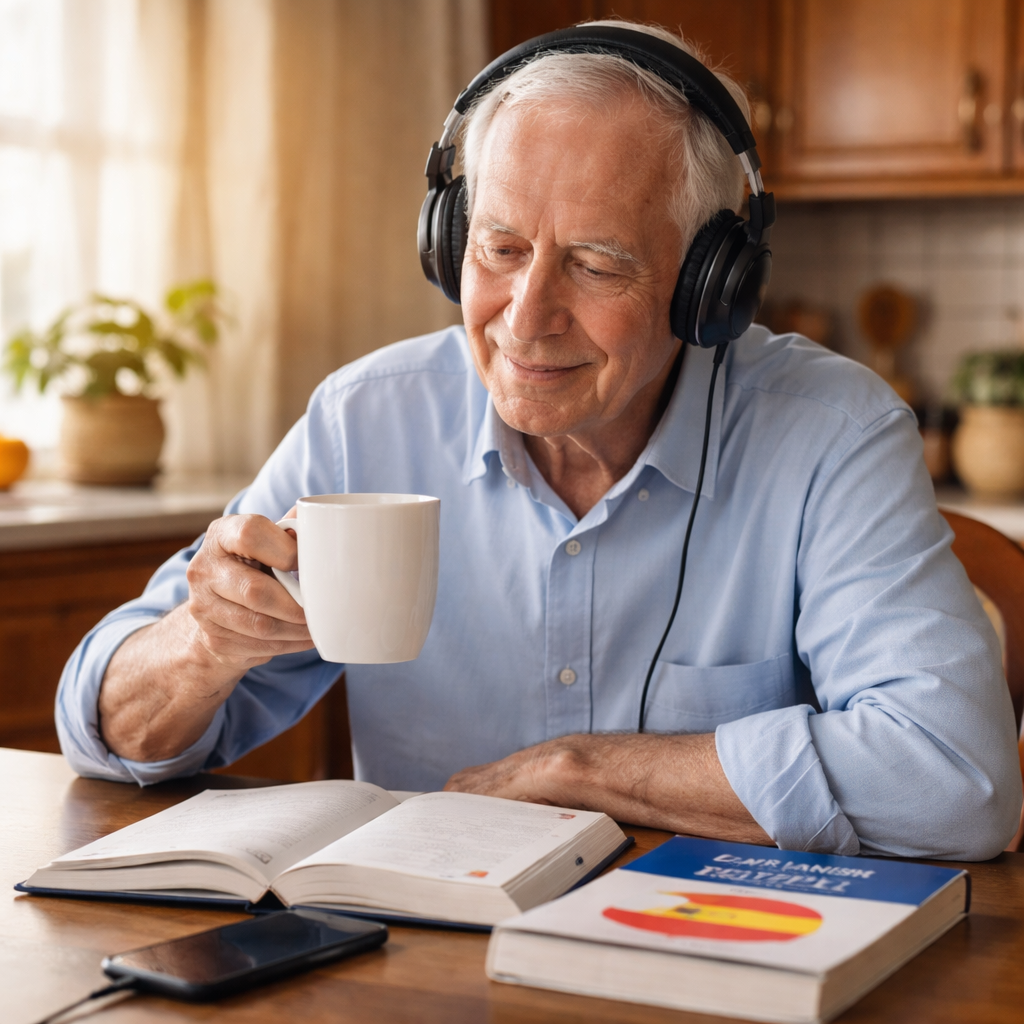
Imagine you’re at the kitchen table, a cup of coffee steaming in front of you. You press play on Lesson 3. The teacher talks about “the market” , the very place you’ll visit tomorrow.
That tiny moment turns learning into a habit. You hear a phrase, then you see it on the street sign. Your brain makes the link.
How to fit the audio into daily life:
- Morning coffee , 5‑minute lesson while you sip.
- Afternoon walk , replay a favorite sentence on a park bench.
- Evening wind‑down , review the day’s new words before bed.
Each time you repeat, you reinforce memory. Science shows that spaced repetition helps older learners keep words longer.
Let’s say you hear the phrase “¿Dónde está la farmacia?” (Where is the pharmacy?). The next day you walk to the local pharmacy and ask the clerk in Spanish. You’ll notice the phrase sticks.
Pros of this micro‑learning:
- Fits any schedule.
- Low cognitive load , you’re not juggling a textbook.
- Audio matches real conversation speed.
Cons to watch:
- May feel passive if you never speak out loud.
- Needs a quiet spot for clear listening.
Tip: Keep a tiny notebook on the table. Jot down the three words you hear. After the lesson, write a short sentence with each word. That extra step turns passive listening into active use.
When you’re ready for a little extra, you can add a short podcast episode after the lesson. It deepens exposure without overwhelming you.
Optional Extras , Podcasts, YouTube Channels, and Light Reading
If you finish the first month of Spanish Slow and Easy, you might want a sprinkle of extra input. The best spanish course for adults still works best on its own, but a few gentle extras can help you hear more voices.
Podcasts are a low‑effort way to add exposure. The Berges Institute list includes Coffee Break Spanish, News in Slow Spanish, and Notes in Spanish. Each episode is short, clear, and often slowed down for learners.
Why podcasts work for seniors:
- You can control speed , most apps let you slow down.
- They’re spoken in real‑world contexts.
- They’re free and easy to download.
Pick one episode per week. Listen while you fold laundry or water the plants. Pause, repeat, and write a phrase that sticks.
YouTube offers visual cues. Channels like Dreaming Spanish and Butterfly Spanish give short videos that match the pacing you like. Watch a 5‑minute clip after your daily audio lesson to see the words in action.
Light reading helps you see words on the page. Choose a simple storybook or a bilingual newspaper article. Look for “easy” tags. Read a paragraph, then say it out loud.
Here’s a quick checklist for optional extras:
| Extra | Why it helps | How to use |
|---|---|---|
| Coffee Break Spanish | Slow, clear speech | One 10‑min episode after lesson |
| News in Slow Spanish | Current events in simple language | Listen while cooking |
| Dreaming Spanish videos | Visual context | Watch 5‑min clip before bed |
Remember, the core of the best spanish course for adults is still the daily audio. Extras should never replace it, only support it.
Living the Dream: Practical Tips for Retiring in Panama, Costa Rica, and Colombia
Learning Spanish opens the door to a relaxed retirement abroad. Let’s look at three popular spots and the tiny steps you can take now.
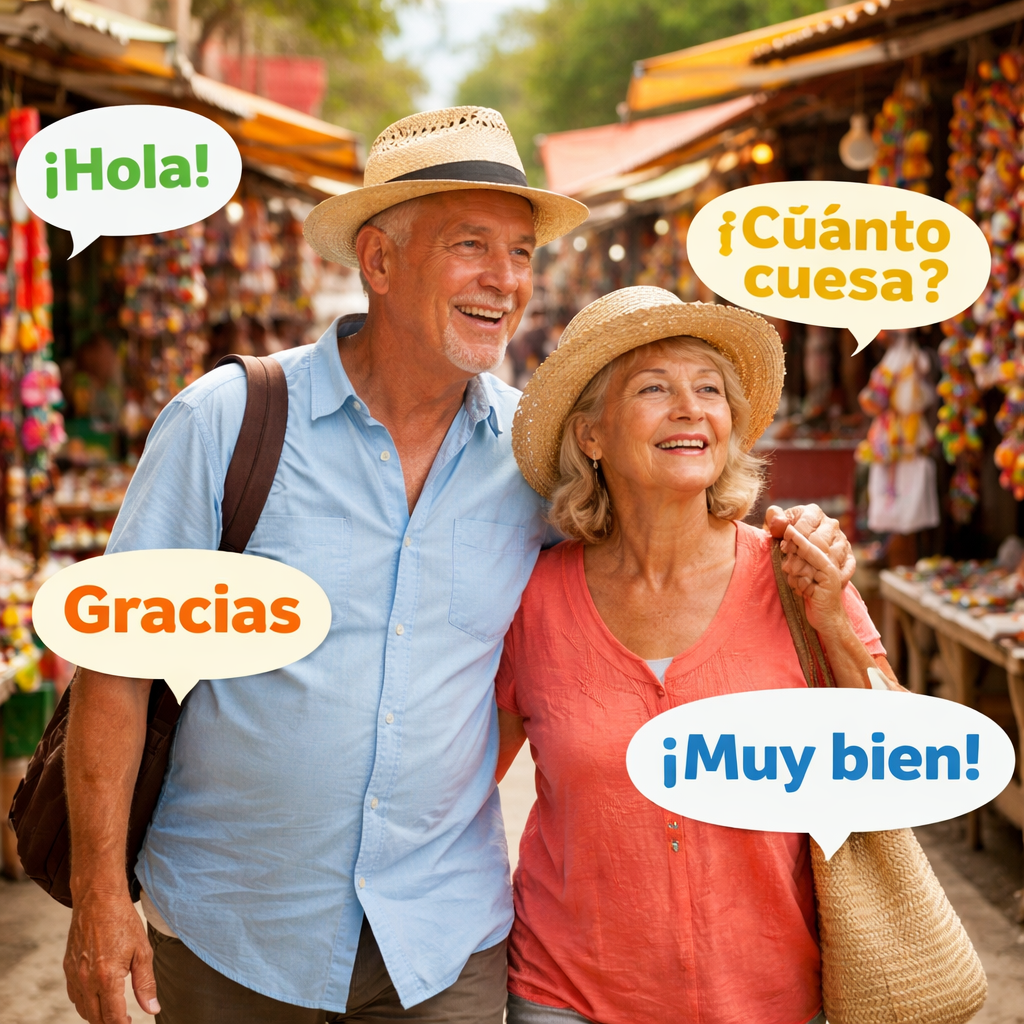
Panama offers a low cost of living and a stable dollar‑based economy. The biggest language hurdle is the fast‑talking market vendor. Start by mastering the phrase “¿Cuánto cuesta?” (How much?). Use that in a local grocery run.
Costa Rica draws retirees with its “pura vida” vibe. Health care is good, but paperwork can be heavy. While you’re learning, practice the phrase “Necesito una receta” (I need a prescription). It will help you at the pharmacy.Colombia charms with its friendly people and lower prices. In the city of Medellín, you’ll hear many English speakers, but in smaller towns you’ll need Spanish. Learn “¿Dónde está el banco?” (Where is the bank?). It saves you from wandering aimlessly.
Step‑by‑step plan for each country:
- Pick the country that feels right.
- Use Spanish Slow and Easy to learn 5 key phrases for daily life.
- Watch a short YouTube travel vlog about the city you like.
- Listen to a local news podcast (slow version) each week.
- Write a short list of documents you’ll need , passport, visa, health insurance.
- Reach out to an expat forum for tips.
Pros of retiring in each place:
- Panama , easy banking, US dollar use.
- Costa Rica , strong expat community, beautiful nature.
- Colombia , vibrant culture, low cost.
Cons to keep in mind:
- Panama , humid climate may be tough for some.
- Costa Rica , higher taxes on property.
- Colombia , some areas need extra safety research.
All three benefit from a gentle Spanish base. That’s why the best spanish course for adults starts with audio lessons that you can replay while you fill out visa forms.
Staying Motivated: Simple Daily Routines to Keep Your Brain Sharp
Motivation can dip after a few weeks. The key is to keep the routine light and rewarding.
Try this three‑step daily loop:
- Morning: Play a 5‑minute lesson while you sip tea.
- Midday: Write a quick note in Spanish , “I’m having lunch.”
- Evening: Review the note and say it out loud before bed.
Why it works: The brain gets a short burst of language at three points, which reinforces memory without fatigue.
Another tip: Pair language with a hobby. If you love gardening, label your plants in Spanish. “Tomate,” “Albahaca.” When you water them, you say the word.
Keep a simple log. Each day, tick a box next to the lesson number you finished. Seeing a line of checks builds pride.
Pros of a low‑key routine:
- Fits retirement lifestyle.
- Reduces stress.
- Builds steady progress.
Potential pitfalls:
- Skipping days can feel like a setback. Forgive yourself and restart.
- Too much multitasking may blur focus. Keep the audio alone when you can.
Remember the key finding that only 10% of courses use audio‑based teaching. That makes Spanish Slow and Easy stand out for seniors who need a clear, single channel.
Conclusion , You Can Do This!
We’ve walked through why the best spanish course for adults is a calm, daily audio program. You’ve seen how to use it while you sip coffee, how a few podcasts can add flavor, and how the language opens doors to retirement in Panama, Costa Rica, and Colombia.
Start small. Press play on Lesson 1. Speak the phrase out loud. Celebrate each tiny win. Over weeks you’ll notice the words stick, the locals smile, and the paperwork for your new home feels less scary.
Remember, you’re not alone. A whole community of seniors is learning with Spanish Slow and Easy. If you need extra guidance on moving, our free guide is ready to help. Take the first step today , your new adventure is just a listening session away.
FAQ
Is an audio‑only course enough for a complete beginner?
Yes, when the audio is paced for seniors. Spanish Slow and Easy gives you a single focus point each day. By listening, repeating, and writing three words, you cover listening, speaking, and reading basics. Add a short podcast once a week for extra exposure, and you’ll have a solid foundation without feeling overwhelmed.
How long does it take to feel comfortable ordering food in Spanish?
Most learners feel confident after about 30 days of daily lessons. By then you’ve heard the phrase “Quisiera …” (I would like …) many times. Practicing in a real café reinforces the memory. The key is consistency , one lesson a day, not a marathon session.
Can I learn Spanish without a computer?
Absolutely. The best spanish course for adults is audio‑only, so a phone or a simple MP3 player works. No screen time needed. Just press play, listen, and repeat. This matches the finding that only two courses in the study used audio as the main method.
What if I miss a day?
Don’t worry. The course is designed for one‑lesson‑a‑day, but you can catch up anytime. Listen to the missed lesson twice, then move on. The brain benefits from spaced repetition, so a short break won’t erase progress.
Do I need a tutor after finishing the audio course?
A tutor can help with conversation practice, but it isn’t required to reach basic fluency. After you finish the 60‑day program, you’ll know greetings, food orders, and simple questions. If you want to go deeper, look for a local language‑exchange group or a short‑term class.
How much does the course cost?
The course is sold at a flat price with no hidden fees. It is the only option in the research table that lists a clear, all‑inclusive cost. Compared with the average $18.99 starting price of other courses, it offers great value for seniors who want a predictable expense.