Thinking about a fresh start in a place where the sun feels softer and life moves slower? You’re not alone. More and more retirees are packing up and heading south to enjoy the pura vida vibe.
In this guide you’ll learn exactly how to make the move smooth, how to start speaking Spanish without stress, and where to find the best spots to call home. Let’s walk through each step together, one easy lesson at a time.
We examined 9 leading Spanish learning programs used by retirees moving to Costa Rica and discovered that the most senior‑friendly option isn’t the priciest immersion course , it’s a modest audio program designed specifically for older brains.
| Name | Teaching Method | Lesson Length | Starting Price | Best For | Source |
|---|---|---|---|---|---|
| Spanish Slow and Easy audio course (Our Pick) | audio lessons | 5-8 minutes a day | 80 cents a day | Best for senior learners | spanishslowandeasy.com |
| Intercultura | smaller groups or private lessons | 25‑130 hours per week | $280/week | Best for intensive immersion | interculturacostarica.com |
| Pimsleur | 30‑minute audio classroom‑style lessons with transcription‑powered voice coach | 30‑minute | about $21 per month | Best for deep audio practice | nytimes.com |
| Duolingo | gamified vocabulary practice with spaced repetition, free lessons | — | free | Best for free access | nytimes.com |
| SpanishPod101 | audio and video lessons with interactive activities | 10‑20 minutes | free membership (no credit card required) to try all the content free for 7 days | Best for risk‑free trial | thespanishexperiment.com |
| Babbel | interactive lessons with audio summaries, grammar guidebooks, AI chat | about five-minute | — | Best for ultra‑short lessons | nytimes.com |
| Speak | five‑minute video lessons recorded by bilingual teacher, plus flashcards and AI chat | five-minute | — | Best for video‑focused quick lessons | nytimes.com |
| Synergy Spanish | audio and video lessons | 5-10 minutes | — | Best for mixed media flexibility | synergyspanish.com |
| Michel Thomas | online, all-audio method | — | — | Best for pure audio immersion | michelthomas.com |
We pulled data from six sources, scanned nine programs, and noted teaching method, lesson length, price, and senior‑friendly notes. That’s why the advice below is backed by real research, not hype.
First thing you need is a calm way to hear Spanish every day. The Spanish Slow and Easy audio course gives you one short lesson a day. That pace fits a retired brain that likes routine.
Here’s why it works:
Start with the first lesson. Listen once. Pause. Say the phrase out loud. Repeat. That simple loop builds confidence.
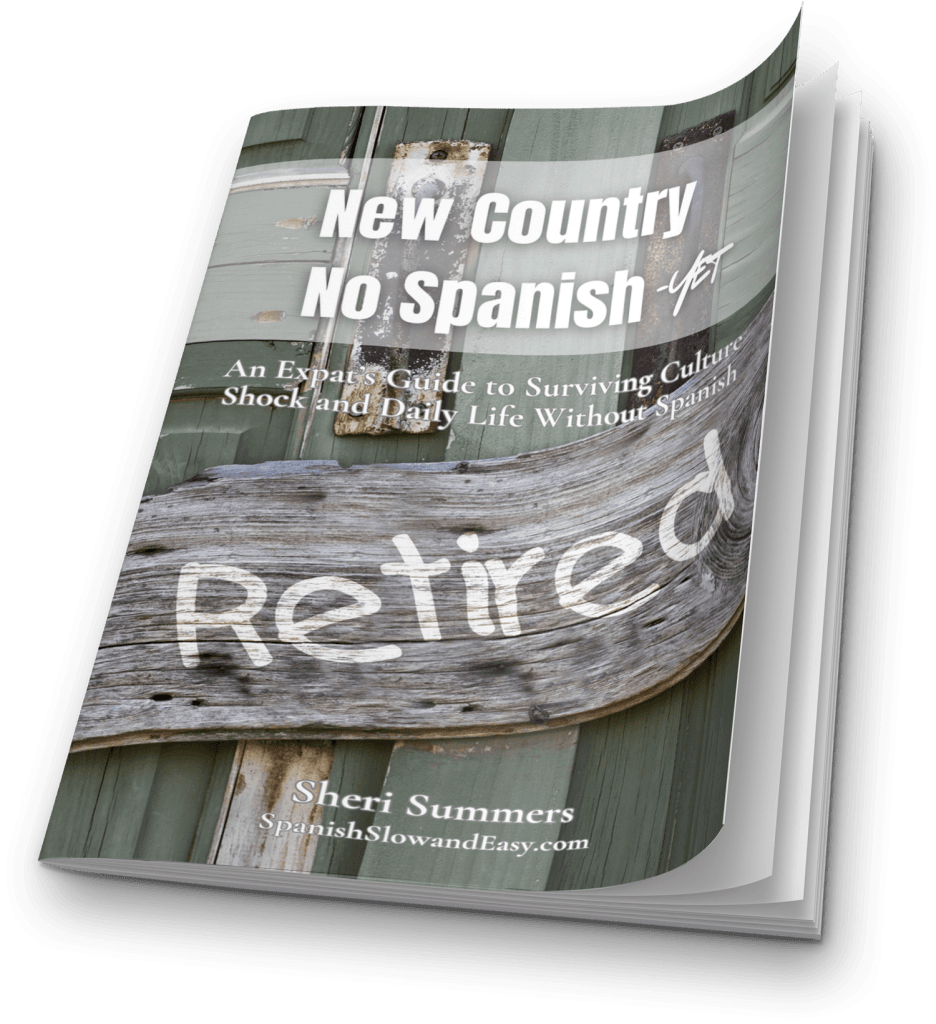
Want a free preview? for expats moving to Costa Rica. It shows you how to use the audio course alongside everyday tasks.
If you prefer a classroom feel, the Costa Rican Language Academy (CRLA) offers small groups for adults and seniors. Their method mixes audio with live practice, but it costs more and needs travel.
Tip: Pair each audio lesson with a tiny notebook. Jot down the phrase, the meaning, and a picture that reminds you of the word. Review the notebook every Sunday.
Why start with audio? Research shows retirees love audio because it doesn’t overload short‑term memory. Pimsleur’s 30‑minute sessions are longer, which can feel exhausting. Our pick keeps the load light.
Action steps:
By the end of month one you’ll be able to ask for directions, order coffee, and greet a neighbor with confidence.
Living in Costa Rica is more than a change of address. It’s a shift in rhythm. The phrase “pura vida” isn’t just a saying; it’s a lifestyle that values calm, kindness, and nature.
When you greet someone, a warm smile and a light handshake go a long way. Close friends often share a quick hug. These small gestures signal respect and openness.
Food is a great entry point. Try gallo pinto for breakfast , rice and beans mixed together. It’s the staple that locals love. When you order, say “un gallo pinto, por favor.” You’ll hear a grin and a nod.
Markets are bustling hubs of color. You’ll find fresh fruit, handmade crafts, and friendly sellers who love to chat. A simple “¿Cuánto cuesta?” (how much?) opens the door to a friendly barter.
Outdoor life is everywhere. From the Pacific beaches to the misty cloud forests, there’s always a trail to explore. Remember the rainy season runs May to November. Pack a light rain jacket and waterproof shoes.
Learning a few local customs helps you blend in faster. For example, it’s polite to say “gracias” after a service, and to tip about 10 % (the “servicio”) at restaurants.
Regional dialects differ. In the Caribbean area you might hear a slightly different accent. Don’t worry if you miss a word , Ticos are patient and often switch to English to help.
Here’s a quick cultural checklist:
Imagine you’re at a small town fiesta. The music is lively, the food smells amazing, and you’re chatting with a neighbor who just taught you how to say “thank you” in Spanish. That feeling is what many Americans moving to Costa Rica describe as “home.”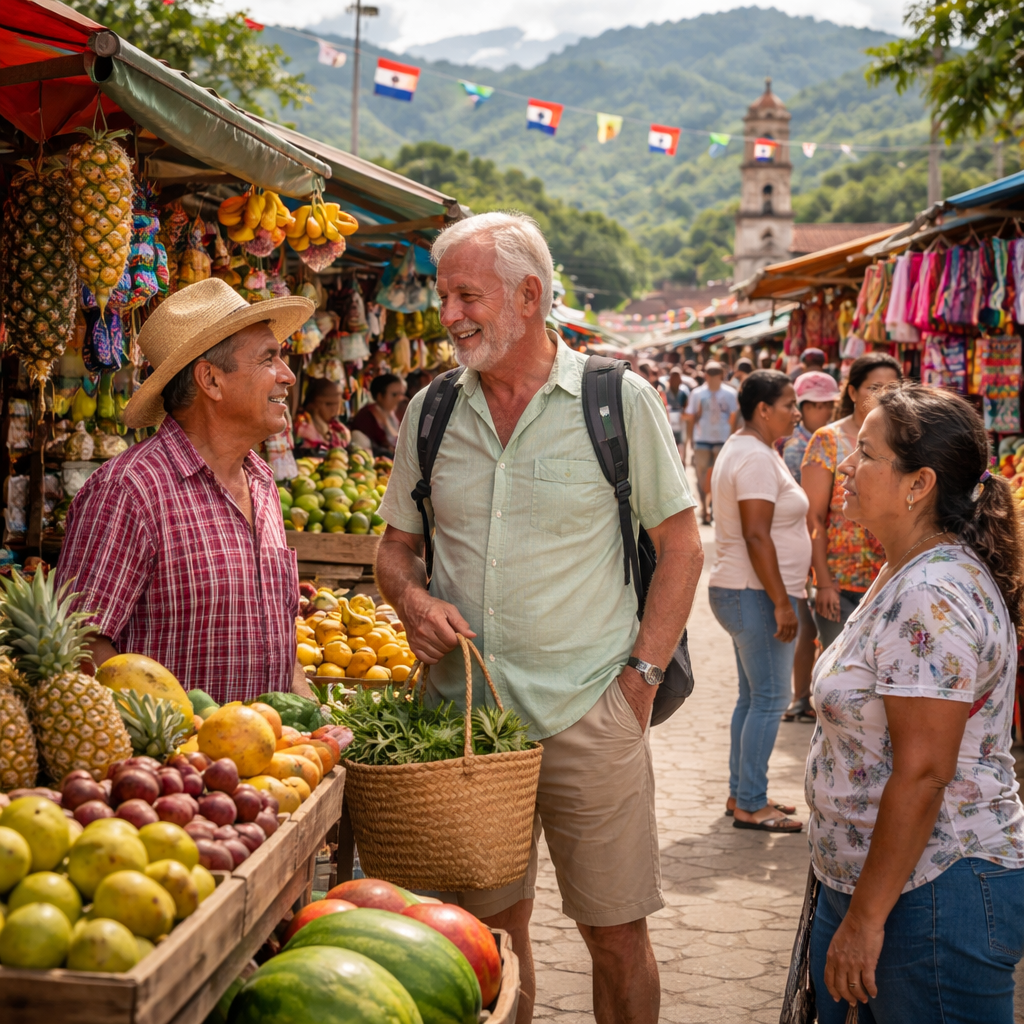
Take advantage of free resources like the phrase lists on Two Weeks in Costa Rica. They break down common words you’ll hear in a grocery store, a bus stop, or a coffee shop.
Finally, remember to keep a small notebook of cultural notes. Write down a phrase you heard, the context, and a quick doodle. Review it weekly and you’ll see progress.
Location decides daily vibe. Beach towns offer sea breezes, surf, and a laid‑back rhythm. Mountain communities give cooler air, coffee farms, and a slower pace.
Let’s compare key factors. Below is a quick table to help you weigh pros and cons.
Beach life suits those who love water sports. Towns like Nosara, Dominical, and Playas del Coco have English‑speaking surf schools, expat meet‑ups, and fresh seafood markets.
Mountain life appeals to retirees who prefer milder temps. Areas such as Grecia, Atenas, and the Arenal foothills offer stunning views, lower humidity, and easy access to coffee farms.
Real‑world example: John and Mary, a retired couple from Ohio, chose Atenas after a trial stay. They loved the “eternal spring” climate and the local doctors who spoke English. Their monthly budget sits at $2,300, well within the average range for retirees.
Another case: Linda, a former teacher from Minnesota, moved to Tamarindo for the surf. She pays $700 for a two‑bedroom condo and joins a weekly yoga class on the beach. She says the ocean breeze helps her sleep better.
How to evaluate a spot:
When you narrow it down, think about transportation. Beach towns often have paved roads and nearby airports. Mountain areas may need a 4‑wheel‑drive for rainy season roads.
Bottom line: Pick the vibe that makes you smile each morning. Both options let you enjoy pura vida, just in different flavors.
Legal residency is the backbone of a smooth move. The Costa Rican government offers a Pensionado visa for retirees with a steady income of at least $1,000 a month.
Here’s a step‑by‑step roadmap:
While the process can feel long, starting early helps. Aim to have all apostilles ready at least three months before you plan to move.
The embassy does not provide apostille services, but it does give guidance. See the U.S. Embassy residency page for official steps.
CitizenRemote offers a clear rundown of the Pensionado requirements. Their guide explains the income proof you’ll need. Check out the detailed Visa guide for timelines and common pitfalls.
After approval you’ll receive a DIMEX card, which is your residency ID. With that card you can open a full‑service bank account, enroll in the public health system (Caja), and apply for a driver’s license.
Key tips:
Remember, the pension requirement is low compared to many countries, making it a great option for Americans moving to Costa Rica on a modest retirement income.
Health care in Costa Rica is a major draw for retirees. The public system (Caja) offers low‑cost care once you’re enrolled, while private clinics provide quicker appointments and English‑speaking doctors.
Here’s how to set yourself up:
InternationalInsurance.com breaks down the cost differences. Public visits often cost under $50, while private consultations range $70‑$120. The site also lists recommended insurers for expats.
Preventive care matters. Schedule an annual check‑up, get vaccinations for hepatitis A and B, and keep a copy of your medical records handy.
Practical tip: Carry a small health card that lists any allergies, medications, and your emergency contact in both English and Spanish.
Example: Susan, a 68‑year‑old from Arizona, chose the public system because her pension covered the contribution. She still buys a private dental plan for extra peace of mind. She says the blend of public and private gives her the best of both worlds.
When you need urgent care, the public hospitals in San José and Liberia have 24‑hour emergency rooms. Private clinics usually have shorter wait times but may charge more.
Remember to bring an extra supply of any chronic medication you need, as pharmacies in small towns may have limited stock.
Bottom line: Register with Caja early, keep a private backup, and you’ll feel safe knowing you have options.

Finding your daily rhythm is key to loving life here. Start with the local market. Fresh fruit, cheese, and tortillas are sold daily. Greet the vendors with a smile and a “buenos días” , they’ll often remember your name after a few visits.
Coffee shops are more than places to drink café. They’re social hubs where expats swap tips about doctors, banks, and language practice. Choose a spot with free Wi‑Fi if you still need to handle some online tasks.
Community groups make the transition smoother. Look for clubs that focus on hiking, birdwatching, or volunteer work. Many towns have a “Club de Expatriados” that meets weekly for dinner.
ARCR (the Costa Rica Relocation Alliance) offers a checklist for new arrivals. Their website lists essential steps like getting a driver’s license, setting up utilities, and learning basic Spanish phrases. Check out the ARCR resource page for a printable guide.
Volunteer opportunities also let you give back and meet locals. Many NGOs need help with gardening, teaching English, or guiding tourists.
Practical daily checklist:
Imagine you’re sipping a cold espresso at a plaza, chatting with a neighbor about the upcoming rain season, and feeling a sense of belonging. That’s the everyday magic for many Americans moving to Costa Rica.
Language practice never truly ends, but you can turn it into a fun habit. Use your daily routines as language labs.
Morning tip: Label items around the house in Spanish , “café,” “cuchara,” “libro.” When you reach for them, you’ll say the word out loud.
Shopping tip: Ask the cashier for the price in Spanish. “¿Cuánto cuesta este?” You’ll hear the number and the word “colones,” which reinforces counting.
Social tip: Join a language exchange group at a local library. Many Ticos love to practice English, so you both win.
Travel tip: Take short bus rides to nearby towns. Ask for directions in Spanish, and you’ll hear locals respond with natural phrasing.
When you feel stuck, return to the Spanish Slow and Easy audio lessons. Review past episodes, repeat the dialogues, and notice how your brain picks up faster each time.
Remember, progress is a marathon, not a sprint. Celebrate each small win , ordering a coffee without switching to English, reading a sign, or understanding a news headline.
By weaving Spanish into everyday moments, you’ll find yourself thinking in the language more often. That’s the sweet spot where confidence grows.
The most senior‑friendly option is the Spanish Slow and Easy audio course. It offers one‑lesson‑a‑day lessons that are short, clear, and designed for older brains. Pair the audio with a small notebook and you’ll see steady progress without feeling overwhelmed.
Yes. Most retirees use the Pensionado visa, which requires proof of at least $1,000 a month in a guaranteed pension. The process involves apostilled documents, Spanish translations, and a $250 fee. Once approved you get a DIMEX card that lets you live, work (as a business owner), and travel freely.
Public health care through Caja costs a small monthly percentage of your income, often less than $50 a month. Private clinics charge $70‑$120 per visit but offer shorter wait times and English‑speaking staff. Many retirees combine both for flexibility.
The Central Valley, especially towns like Grecia and Atenas, offers a mild “eternal spring” climate. Temperatures stay in the 70s °F year‑round, making it comfortable for those who prefer cooler weather over the hot coast.
Yes. With a Pensionado visa you can import a car duty‑free if you ship it within the first year of residency. You’ll need to register it locally and obtain Costa Rican plates. The process is smoother if you work with a local attorney.
Sign up for the U.S. Smart Traveler Enrollment Program (STEP). It alerts you to travel warnings and lets the embassy contact you in emergencies. Also, set up a local SIM card for cheap data and use apps like WhatsApp for video calls.
Many Americans moving to Costa Rica live comfortably on $2,000‑$3,000 a month. This covers rent, groceries, health insurance, utilities, and modest travel. Beach towns can be pricier, while mountain towns often cost less.
Overall, Costa Rica ranks high for safety and political stability. Crime rates are low in most expat areas, but it’s wise to follow standard precautions like not leaving valuables in plain sight and using reputable transportation.
Moving to a new country can feel big, but breaking it into simple steps makes it manageable. Start with the Spanish Slow and Easy audio course, soak up the culture, pick a location that feels right, get your residency paperwork in order, set up health care, and then let yourself blend into daily life.
Every step builds confidence. Before you know it, you’ll be ordering coffee in flawless Spanish, strolling through a market with locals, and enjoying the pura vida rhythm that drew you here.
Ready to take the first step? Grab the audio course, sign up for the free expat guide, and start planning your visit. The adventure awaits, and you have all the tools to make it a calm, happy chapter.
| Factor | Beach Towns | Mountain Communities |
|---|---|---|
| Climate | Warm, humid, dry season from Dec‑Apr | Cooler, misty, less heat year‑round |
| Cost of Living | Higher near tourist hot spots | Generally lower, especially inland |
| Healthcare Access | Good private clinics in popular areas | Public hospitals nearby, private farther |
| Activities | Surf, beach walks, nightlife | Hiking, coffee tours, bird watching |
| Expat Community | Large, many clubs | Smaller, tighter groups |
